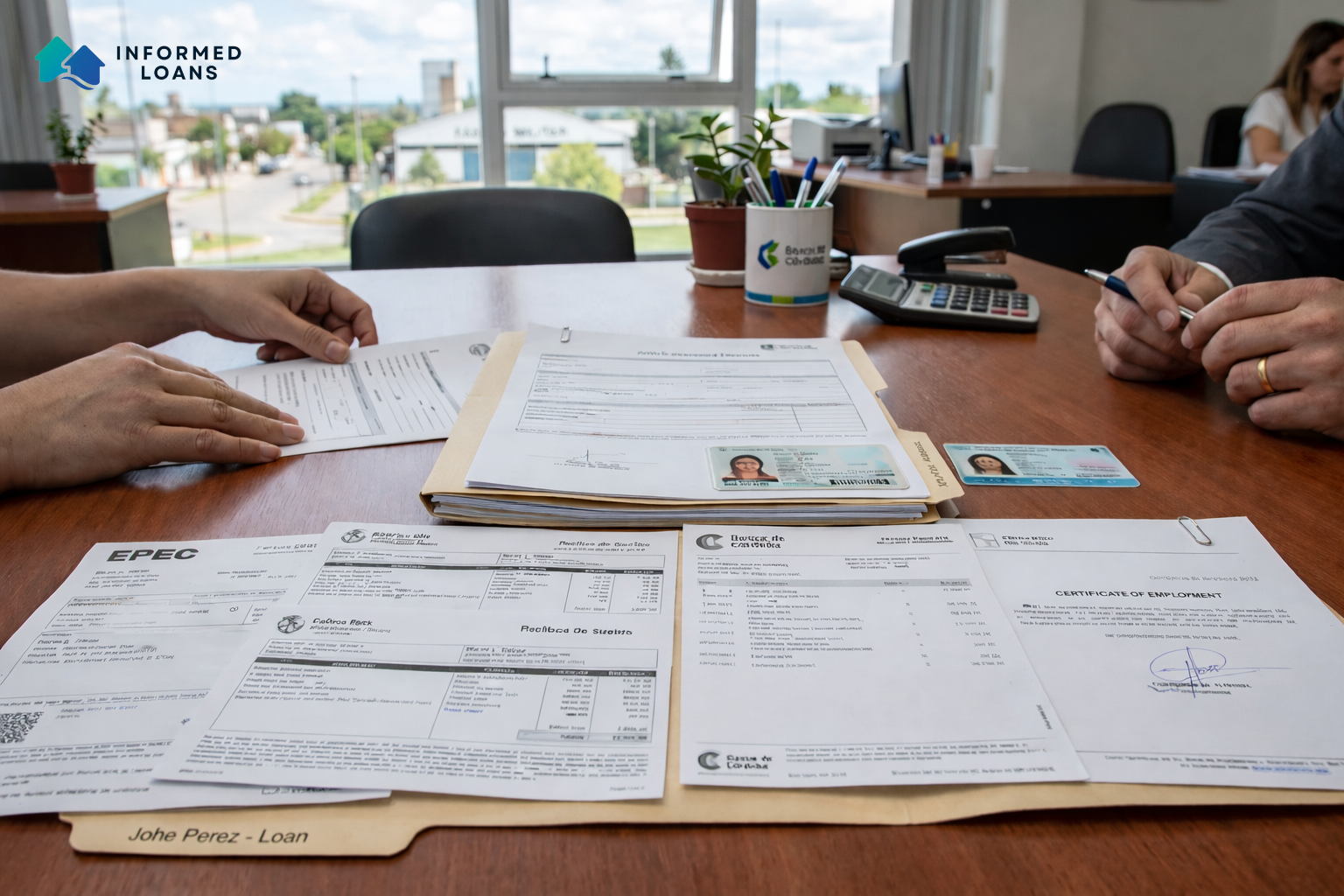
A Handy Guide to Must-Have Loan Documents for Arlington Heights Borrowers
Applying for a loan isn't just about signing forms; it's about showing that your income and paperwork back up the loan you're asking for. Whether you’re eyeing a personal loan, a business loan, or something quick like a private loan, lenders want to see the paperwork that supports your case. Even in 2026, when everything seems to be more digital, the main question remains: can you prove you’re a good bet for this loan?
If you're gearing up for a real estate or business loan, knowing what lenders generally look for can make the whole process smoother. This is particularly true if you're considering commercial real estate financing or short-term funds like bridge loans. A bit of preparation can cut down on delays, boost your confidence, and give your application a stronger start.
For a broader look at how lenders assess borrowers, the CFPB's resources at consumerfinance.gov are worth a look. While they're aimed at consumer lending, they emphasize the importance of having clear, accurate, and consistent documentation, which is just as useful for business loans.
Why Loan Documents Matter More Than Ever
Lenders need evidence, not guesses.
Loan documents tell the story behind your request. Lenders aren't just ticking boxes; they're deciding if your income, assets, collateral, and credit profile support the loan you want. Missing or incomplete files can slow things down, cause extra questions, or even lower the amount you qualify for. In today's digital lending world, organized and clear files can make a real difference.
Digital processing is changing the game.
These days, digital documentation is the norm. Many lenders accept things like electronic bank statements, scanned IDs, e-signatures, and cloud-based submissions. This shift has cut down on paperwork and can speed up approvals, sometimes even leading to same-day decisions for simpler cases. Still, going digital doesn’t mean the standards are relaxed. Lenders still need proof that both you and your deal are solid.
Different loans need different paperwork.
The checklist you need varies depending on the loan type. A regular personal loan might zero in on your job and income, while a commercial loan might focus on business financials and property income. Hard money and asset-based lenders might care more about the property's value and your exit strategy than your tax returns or W-2s. If you’re weighing your options, it’s good to know how non-QM investment loans and equity-only real estate loans use alternative documentation.
The Core Documents Most Lenders Want
Proof of identity
Almost every lender starts by verifying your identity. A government-issued ID like a driver’s license or passport is standard, and some lenders might ask for a second form of ID like a Social Security number or, if you’re borrowing through an LLC, entity formation documents. This helps them stay compliant with underwriting and fraud-prevention rules. Make sure your ID is current, easy to read, and matches the name on your application.
Income verification
Income documents show you can pay back the loan. For W-2 earners, recent pay stubs and W-2s usually suffice for an early look, but lenders might also ask for tax returns or employer contacts. If you’re self-employed, you’ll likely need more, like two years of tax returns or profit and loss statements. The Bankrate guide is handy for understanding the documents often required for personal loans.
Bank statements and asset records
Bank statements are crucial in any application. They help lenders verify cash flow, available reserves, and where your down payments or closing funds are coming from. Most lenders want to see the last two to three months of statements, though some loans might require a longer history. Be ready to explain any large deposits or unusual activity so the underwriter isn’t left guessing.
Credit and debt information
Even if your credit score isn’t the main factor, lenders still want to know about your debts. A current list of debts, monthly payments, and open credit lines helps them see your total exposure. For business loans, this might include business debt, mortgages, or tax liens. Accuracy is key because discrepancies can cause delays.
Documents for Different Loan Types
Personal loan documentation
Personal loans usually ask for a simple set of documents, but lenders still want to see stable income, identification, and banking activity. Expect to provide pay stubs, tax returns, employer verification, and bank statements. If you have strong credit and a straightforward income, the process can be quick. But if your credit is weaker or your earnings vary, expect more questions or requests for extra records.
Commercial loan documentation
Commercial loans often demand a deeper dive because they’re tied to a business or income-generating property. Lenders usually want to see business tax returns, financial statements, leases, and a detailed plan for using the funds. If you’re financing a larger property, you might explore multifamily investment loans or SFR, condo, and 2–4 unit investment financing based on the property type.
Hard money loan documentation
Hard money lenders often care more about the property’s value and condition than traditional income metrics. But you still need a complete file. Purchase agreements, repair budgets, appraisal reports, title information, insurance details, and exit strategies are all common. This is where fix-and-flip loans or ground-up construction loans work best since the focus is on the project, not your income history.
Property and Deal Documents That Strengthen Your File
Purchase agreements and contracts
If you’re buying property, the purchase agreement is one of the first things a lender will review. It confirms the price, closing date, contingencies, and parties involved. For investors, this document helps verify that the loan amount matches the transaction. In commercial and hard money lending, the contract often dictates how fast the file moves into underwriting.
Appraisals, valuations, and condition reports
Property valuation is crucial for many approvals. Lenders might order an appraisal or review broker price opinions, depending on the loan type. For hard money loans, the property’s condition is just as important as its value. If repairs are needed, a lender might also want contractor bids and renovation timelines. The more organized your documentation, the easier it is for the lender to grasp the project and value.
Leases, rent rolls, and operating statements
For income-producing properties, lenders often need rent rolls, lease agreements, and operating statements. These documents show if the property can cover the debt and if the income is stable. For larger assets, lenders might also check occupancy levels and major expenses. If you’re aiming for a cash-flow-based loan, these records are key because the property’s income may matter more than your personal income.
Insurance and title documentation
Insurance binders and title reports protect both you and the lender. They need to know the property can be insured and that ownership is clear. Title issues or missing endorsements can slow or stop a deal. That’s why many borrowers organize these documents early instead of waiting until the end.
How Self-Employed Borrowers Can Prepare a Stronger Application
Use alternative documentation when needed.
Self-employed borrowers often have more complex tax profiles, which doesn’t automatically make them risky. It just means they might need other types of proof. Bank statement programs, CPA-prepared financials, and debt-service-focused loans can help bridge the gap between what tax returns show and what the business actually earns. If your income doesn’t fit the standard mold, DSCR real estate investment loans might be worth checking out since they rely more on property cash flow.
Keep business and personal finances separate.
One of the biggest mistakes self-employed borrowers make is mixing funds across accounts. Lenders want clear patterns, and mixed transactions make it harder to verify income. Separate checking accounts and organized bookkeeping help create a cleaner paper trail. The aim isn’t perfection; it’s clarity. The easier it is for an underwriter to follow the money, the smoother the process.
Prepare explanations for irregular income.
Seasonal earnings, lump-sum payments, and contractor income can all create confusion if not explained upfront. A quick written explanation can resolve questions before they cause delays. If your business has grown significantly, include statements that show the trend. It’s often better to provide a clear narrative than to leave an underwriter guessing.
Arlington Heights Borrowers and Local Lending
Why local market knowledge matters
Borrowers in Arlington Heights benefit from lenders who understand the local property market and business climate. Local knowledge helps when timing is tight or when assessing neighborhood-level property dynamics. This is especially true for those exploring commercial or investor financing in a competitive market. Sometimes, fast-moving opportunities make short-term solutions more practical than traditional bank loans.
Local examples of loan structure
Hard money lending data in the Arlington Heights area shows how property-based financing works. Recent examples indicate average loan amounts of around $306,072, with average rates near 10.0% and terms of 35 months. This structure can be useful when speed and flexibility are needed. For more on commercial financing options, check out commercial real estate loans in Arlington Heights.
Working with the right loan category
The best documents depend on the loan product you choose. A borrower buying a small rental might benefit from a cash-flow-focused option, while a developer may need a construction-based file. Investors who need capital based on property value might find bridge loans or equity-only real estate loans more efficient than traditional bank loans. Matching the loan type to the deal is just as important as having the right paperwork.
Real-Life Examples of Solid Loan Applications
Freddie's commercial property purchase
Freddie, a small business owner in Arlington Heights, secured a $720,000 commercial loan for a $960,000 property. The deal had a five-year term, a 9% interest rate, and a 3.4-point origination fee. Freddie's organized package with all the necessary documents allowed the lender to quickly assess the opportunity. This case shows how good documentation supports speed without losing professionalism.
Ben's warehouse acquisition
Ben needed $1,428,000 to buy a $1,680,000 warehouse. His loan had a one-year term, a 13% interest rate, and a 5% origination fee, with interest-only payments followed by a balloon payment. In this case, key documents included property valuation, title work, insurance, and the exit plan. Without clear documentation, getting approval would have been tough.
Lessons for borrowers
Both examples show that a strong application is more than just a form or a score. Lenders want to see the whole picture: who you are, what the property is worth, how you plan to use the funds, and how you'll repay them. Whether you’re buying, refinancing, or renovating, well-organized documents create momentum. That’s why experienced investors often prepare a standard loan packet before they even find a property.
Common Mistakes That Slow Down Loan Approvals
Submitting incomplete or outdated files
Delays often happen when documents are outdated, blurry, or missing pages. Before submitting, check every file as if you were the lender. If something is hard to read or doesn’t match the application, fix it before sending it in.
Inconsistent numbers across documents
Applications can stall when income numbers or property values differ from one document to the next. Lenders notice these inconsistencies quickly. Be ready to explain any differences, even if they’re harmless, like seasonality or timing.
Waiting too long to prepare explanations
Borrowers often think the lender will ask questions later, but proactive explanations can save time. Address large deposits, job changes, remodel budgets, or title issues upfront. A short memo can prevent a long email chain later. Clean files are usually those where issues are already explained.
A Practical Loan Application Checklist
Start with the basics.
- Government-issued ID
- Recent pay stubs or alternative income records
- Two to three months of bank statements
- Tax returns, if required
- Debt schedule or current liabilities list
Add deal-specific documents
- Purchase agreement or refinance details
- Appraisal or valuation support
- Insurance information
- Lease agreements or rent roll
- Scope of work, contractor bids, or renovation budget
Double-check your submission before sending
Before you submit, confirm that every document is readable, complete, and labeled clearly. Use consistent file names and keep a backup folder with the same records. If your lender accepts digital files, use that by uploading clean PDFs rather than phone photos. Digital lending can move fast, but it still rewards borrowers who stay organized.
Frequently Asked Questions About Loan Documents
Do I always need tax returns?
Not always. Traditional loans often rely heavily on tax returns, but many alternative lending programs don’t. DSCR, non-QM, and equity-based loans may use bank statements, property cash flow, or asset value instead. The key is to match your documentation to the loan type instead of assuming every lender wants the same file.
Can I use electronic copies of documents?
Yes, in many cases. Digital uploads are now standard for many lenders, provided the files are clear and complete. This has made the process faster and easier for borrowers, especially when time-sensitive opportunities arise. Electronic documents can also help lenders verify data more efficiently and reduce back-and-forth communication.
How fast can approval happen?
That depends on the lender and the complexity of the file. Simple loans with strong documentation may receive same-day feedback, while more complex commercial transactions may take longer. Hard money approvals can sometimes happen in as little as five days, especially when the property and exit strategy are clearly documented. The better prepared you are, the less likely the file is to slow down.
Conclusion: Organize Early, Borrow Smarter
When it comes to applying for a loan, documentation is not a formality; it is the foundation of the entire approval process. Lenders need to verify identity, income, assets, property value, and repayment ability before they commit capital. The more organized and transparent your file is, the easier it becomes for the lender to say yes. That is true whether you are applying for a traditional loan, a commercial loan, or a hard money solution built around the property itself.
If you are planning a purchase, refinance, or investment project, start building your document packet now rather than waiting until the last minute. Review your income records, bank statements, title documents, and property details, and make sure everything supports the story your loan file is supposed to tell. For borrowers who need flexible options, Informed Loans can help you evaluate solutions such as fix and flip financing, construction loans, and other asset-based programs tailored to your goals.
To learn more or discuss your financing needs, contact Informed Loans at (833) 574-1629 or email info@Informedloans.com. You can also explore more educational resources on our site and take the next step with greater confidence. The right documents, prepared the right way, can make all the difference in turning a loan application into a successful closing.
For additional background on commercial real estate lending trends, see the Urban Institute's housing and finance research at urban.org, and for authoritative federal guidance on consumer lending practices, review ftc.gov.